Discover educational programs
Discover educational programs
Blog Article
The Sixth Floor Museum at Dealey Plaza: A Passage Through The Past
The Sixth Floor Museum at Dealey Plaza serves as a significant destination for grasping the killing of President John F. Kennedy. Positioned in the former Texas School Book Depository, it holds indispensable exhibits that offer context to that devastating day. Visitors come across a mixture of period pieces and multimedia displays. As they investigate the museum, questions about JFK's lasting legacy and his influence on American society naturally emerge. What understanding might they discover?
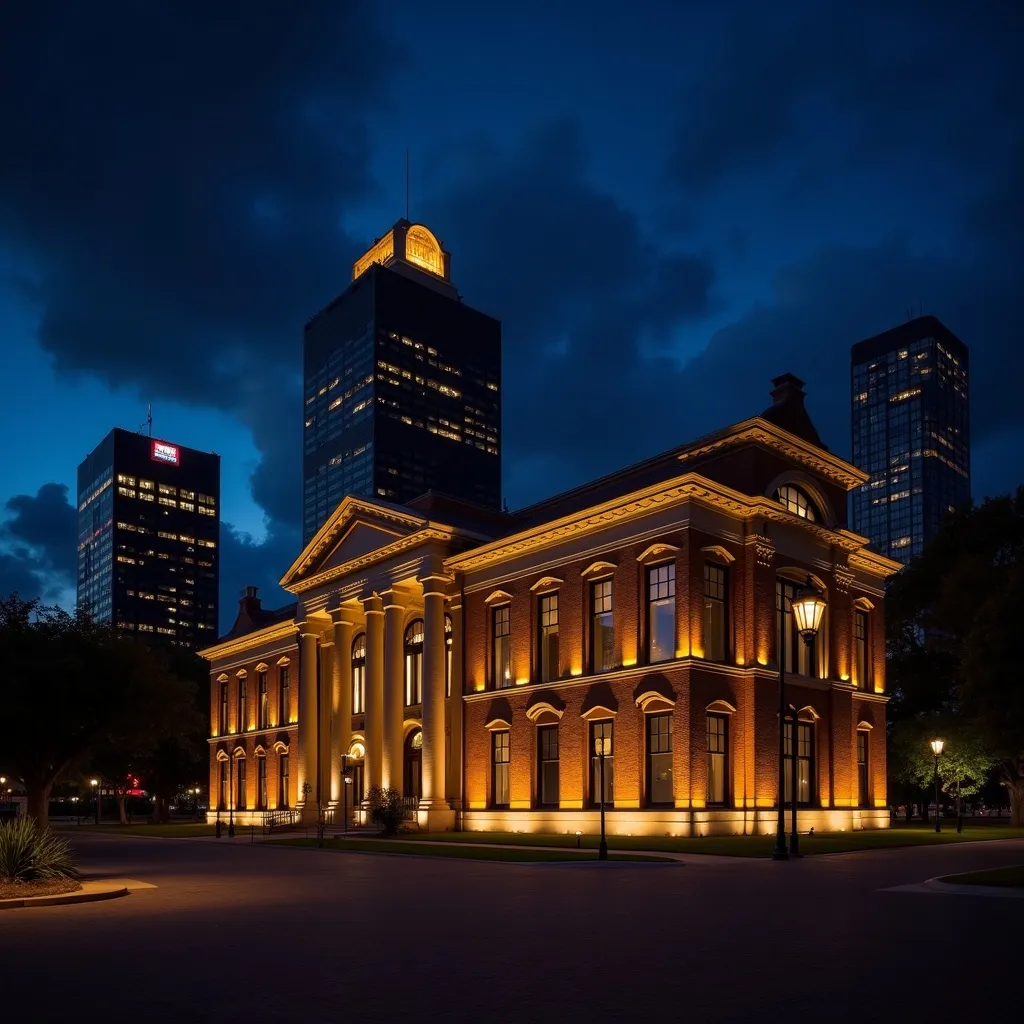
The Historical Role of Dealey Plaza
Although frequently recognized for its tragic connection with the assassination of President John F. Kennedy, Dealey Plaza holds a rich historical significance that goes beyond this crucial moment. Located in Dallas, Texas, the plaza was designed in the early 20th century and demonstrates the architectural ambitions of the time. It served as a primary hub for civic life, organizing multiple public events and gatherings, establishing it as a focal point in the city's development.
The interplay of contemporary and ancient components is observable in the surrounding structures, which feature the erstwhile Texas School Book Depository. This venue, now the Sixth Floor Museum, illuminates the events of November 22, 1963. Dealey Plaza represents far beyond just a site of mourning; it has grown into an symbol of change, reflecting the turbulent social and political conditions of the timeframe. Its significance as a public space remains to attract visitors seeking to understand its layered historical narrative.
Guest Details: Schedule, Tickets, and Accessibility
The Sixth Floor Museum at Dealey Plaza greets visitors year-round, supplying a range of hours to accommodate different schedules. Typically, the museum is open from 10 AM to 5 PM, with extended hours during peak seasons. Tickets can be purchased online or at the museum entrance, with markdowns available for students, seniors, and groups. It is suggested to buy tickets in advance, especially during busy periods.
Accessibility is a key focus at the museum. The facility is outfitted with ramps and elevators, ensuring that all visitors, including those with mobility challenges, can navigate the exhibits comfortably. Additionally, the museum offers assistive listening devices and materials in large print for those who need them. With its commitment to inclusivity, the Sixth Floor Museum strives to make the visit enriching for everyone, allowing all visitors to engage with the historical significance of the site.
What Makes This Place Relevant to JFK's Legacy?
A central element of John F. Kennedy's history, the Sixth Floor Museum at Dealey Plaza provides a striking recollection of the volatile events regarding his assassination on November 22, 1963. This location is where Lee Harvey Oswald fired the fatal shots that redirected the course of American history. Found in the Texas School Book Depository, the museum not only recognizes JFK's contribution but also probes the broader significance of his presidency and the era's political landscape. The plaza has transformed into a symbol of both tragedy and transformation, illustrating the nation's collective grief and the questions that endured in the aftermath. By keeping artifacts and narratives from that fateful day, the museum cultivates reflection on the impact of Kennedy's leadership and the profound loss felt across the United States. Consequently, Dealey Plaza stands as an important site for understanding the complexities of JFK's life and legacy.
Key Collections: What to View at The Sixth Floor Museum
At the Sixth Floor Museum, guests are able to discover a variety of exhibits that clearly depict the circumstances related to JFK's assassination and his enduring legacy. Among the key exhibits is the iconic sniper's perch, which offers understanding of the viewing location from which Lee Harvey Oswald fired. Archival photos and records chronicle the day of the assassination, allowing guests to experience the moment as it unfolded. Additionally, the museum presents personal artifacts belonging to Kennedy, highlighting his life and presidency. Visitors can interact with displays that examine the impact of his assassination on the nation and the world, stressing themes of hope and change. Each exhibit helps strengthen the comprehension of JFK's influence and the profound national grief following his death, making the museum a poignant memorial to a pivotal moment in American history.
Multimedia Exhibits and Artifacts to Explore
While discovering the Sixth Floor Museum, attendees view a rich array of digital exhibits that deepen the chronicle of JFK's life and assassination. These engaging displays showcase visual content, sound recordings, and hands-on exhibits that immerse guests to crucial instances in history. Importantly, a chronological sequence pertaining to the assassination facilitates a fuller grasp of the context and implications of that historic date in 1963.
Objects like original newspaper headlines, personal letters, and photographs further engage visitors, offering direct ties to the past. The museum's dedication to showcasing multiple outlooks is evident in its carefully curated content, which encompasses first-hand accounts and scholarly analyses. Together, these artifacts and multimedia elements produce an immersive experience, prompting guests to reflect on not only JFK's legacy but also the broader impact of his presidency on American history. This thoughtful integration of technology and historical materials promotes a more profound recognition for the complexities of the era.
Insights Extracted from Organized Tours and Learning Programs
How do organized excursions and educational programs improve the visitor experience at the Sixth Floor Museum? These programs provide structured, insightful examinations of the museum's extensive historical context. Knowledgeable guides lead visitors through pivotal moments in American history, weaving narratives that connect artifacts with their broader significance. This storytelling approach cultivates a more profound emotional engagement, as participants gain perspectives that promote critical thinking.
Educational offerings including presentations and training events further enrich the experience by delivering expert insights into distinct areas such as the impact of media on community opinion during the 1960s. By facilitating discussions and encouraging questions these programs create an participatory educational environment.
Contemplations on JFK's Imprint and Effect on America
The impact of John F. Kennedy continues to affect American politics and culture, demonstrating his vision for a more inclusive society. His administration generated substantial transformations, affecting both policy decisions and societal attitudes. As the nation deals with ongoing change, JFK's impact continues to be a key topic for analysis and conversation.
Sustained Sway on Political Systems
Although John F. Kennedy's presidency was interrupted, his influence over American politics stays profound. His vision of a "New Frontier" inspired a generation to engage in public service and seek innovative reforms. Kennedy's backing for civil rights, in spite of initial hesitations, constituted a pivotal shift in national discourse, forging for subsequent legislation. His resolve to addressing planetary issues, exemplified through the Peace Corps, reinforced a responsibility to worldwide collaboration. The values he championed, encompassing social justice and economic equality, continue to resonate throughout modern political discussion. In addition, the tragedy of his assassination galvanized public feeling, reconfiguring the political landscape and catalyzing collective reflection on leadership and governance in America. JFK's legacy endures, determining political aspirations to this day.
Cultural Transitions and Transformation
Kennedy's administration not only influenced political ambitions but also kindled significant cultural transformations across America. His vision of a "New Frontier" energized a cohort, highlighting civil rights, space exploration, and social progress. The optimism of the early 1960s nurtured a sense of unified identity, encouraging young Americans to The Sixth Floor Museum at Dealey Plaza location tackle concerns such as equality and civic duty. Additionally, Kennedy's charisma and eloquent speeches resonated powerfully, influencing popular culture and media portrayals of leadership. The tragic assassination in 1963 intensified this cultural impact, solidifying his status as a symbol of hope and change. As an result, Kennedy's legacy continues to generate reflection on American values and aspirations, initiating ongoing discussions about the nation's path and the importance of civic engagement.
Often Posed Questions
Can I capture Photographs within the Sixth Floor Museum?
Photographing inside the museum is generally not permitted to protect the exhibits and honor the memorial atmosphere. Visitors should review exact requirements upon arrival, as standards may vary for special events or exhibitions.
Are there any age restrictions for visitors?
There are no specific age limitations for patrons. The museum receives people from every age group, inspiring family groups to browse its galleries and learn about the historical significance of the venue.
Does the Museum Permit the consumption of Food and beverages?
Food and drink cannot be brought inside the museum to safeguard the condition of the exhibits and ensure a respectful setting for all patrons. Guests are urged to have refreshments in allocated locations beyond the building.
How extended Does a Standard Visit Take?
A common tour to the museum lasts about one to two hours. Visitors often study exhibits, connect with multimedia displays, and learn historical context, making the experience both educational and reflective for each individual.
Do exclusive occasions or programs take place during the year?
The museum presents multiple special events and programs over the course of the year, incorporating commemorative activities, exhibitions, and lectures, intended to engage visitors and deepen their understanding of history and its relevance in the Dallas community.
Please visit one of our local supporters - Aerius View Aerial Survey Dallas
Report this page